Unit Riot



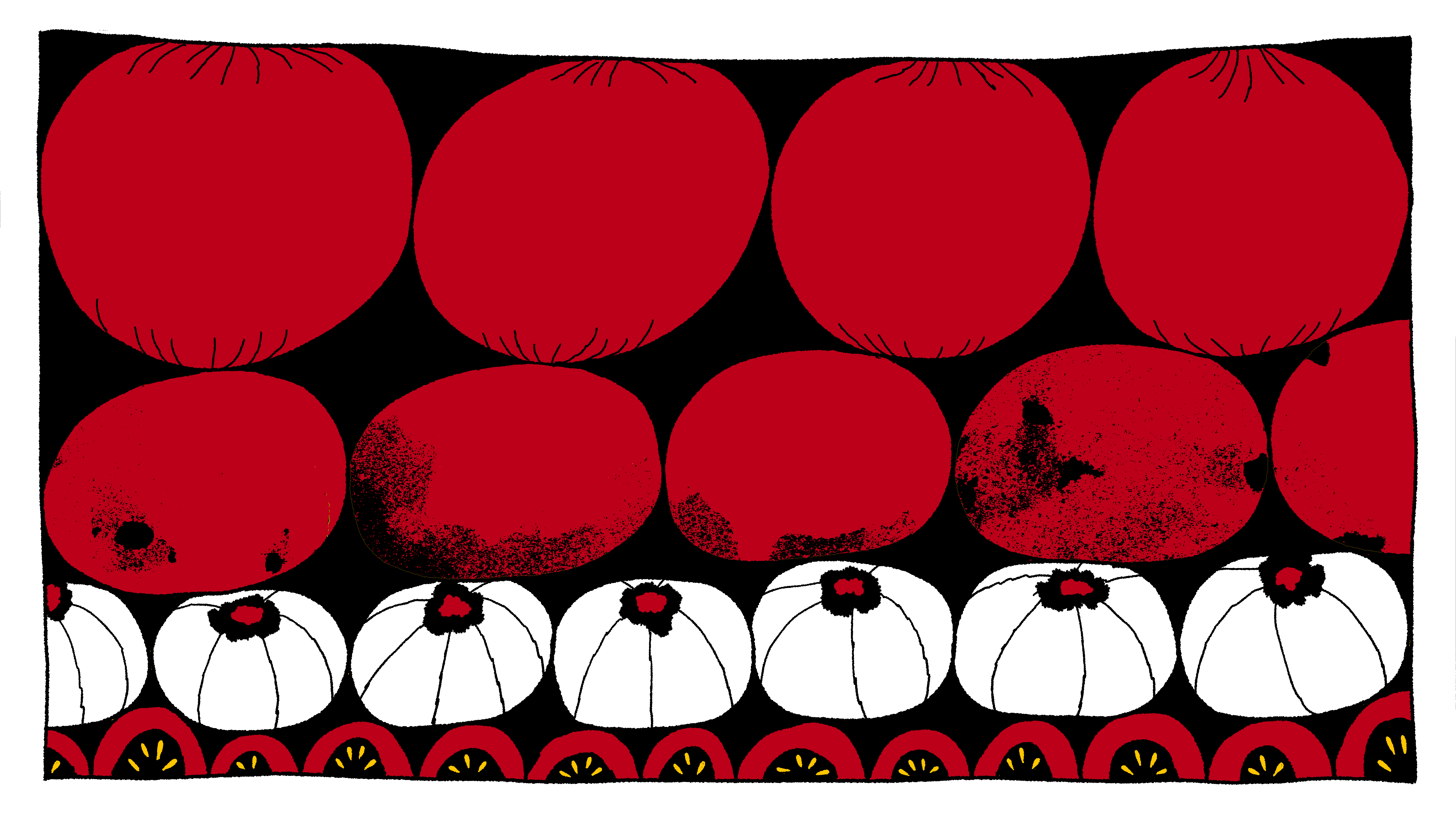
Note: The characters per stanza are as follows: one; ten; wood; forest; forest, dark, dense, gloomy, eerie, orderly, strict, rigid, or multitudinous; species, class, category, race, sacrificial rite, or resembling; uncooked rice or metre; crowd or multiple; and fire, ammunition, internal heat, or urgent. Interrupting these stanzas are the characters for big; no; cluster, collection of books, or thicket; from, follow, or obey; to guess, to worry, or deceit and trickery; people or human; and characters from the previous stanza. The phrase “众⼈“ refers to a crowd or multiple, as in the idiom, “everyone shoves a man already rolling downhill,” while the phrase “⼈⼈” means each person, as in “it is everyone’s responsibility” “there is enough for everyone,” or “death is the great leveller for all people.” The phrase “⼈ 从众𠈌” is online slang for huge crowds of people.
UNIT 731
Unit 731, running from 1936-1945, was a covert research unit of the Japanese imperial army that conducted lethal biological and chemical human torture during the Second Sino-Japanese War and World War II. Not merely a single unit based in Harbin, Unit 731 ran across East and Southeast Asia and involved a large percentage of civilian researchers across Japan’s medical community. It also dropped plague bombs in parts of Zhejiang near where my family and ancestors are from.
In Harbin, the kempeitai (the imperial police) kidnapped the already marginalized of society to torture and experiment on: the poor, mad, disabled, pregnant, young, elderly, and politically dissident. After WWII, the United States granted immunity to the doctors of the Unit in exchange for data gained from such experiments. Some of these doctors went on to work in Japanese universities, pharmaceutical companies, as well as the National Institute of Health in the United States.
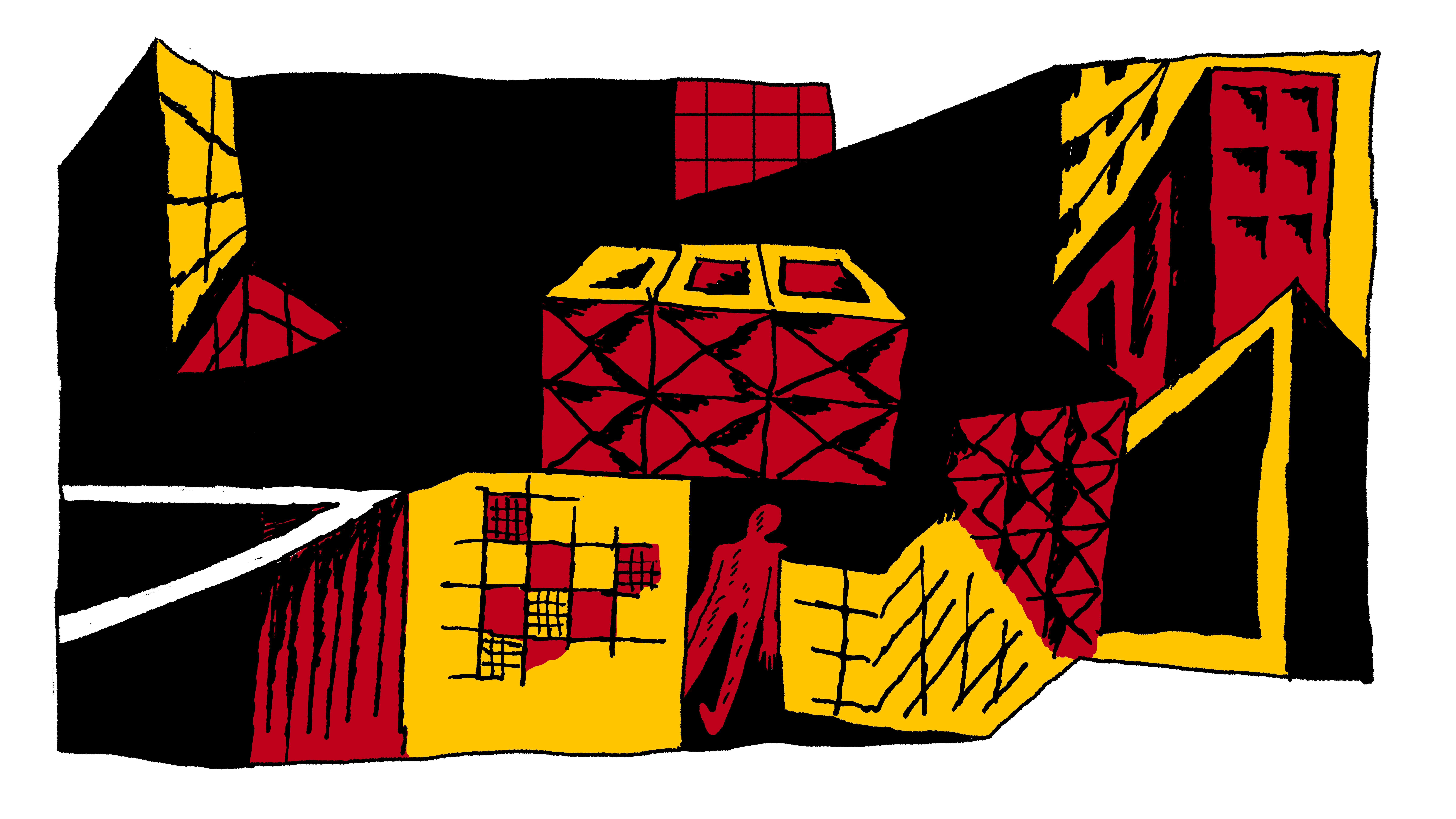
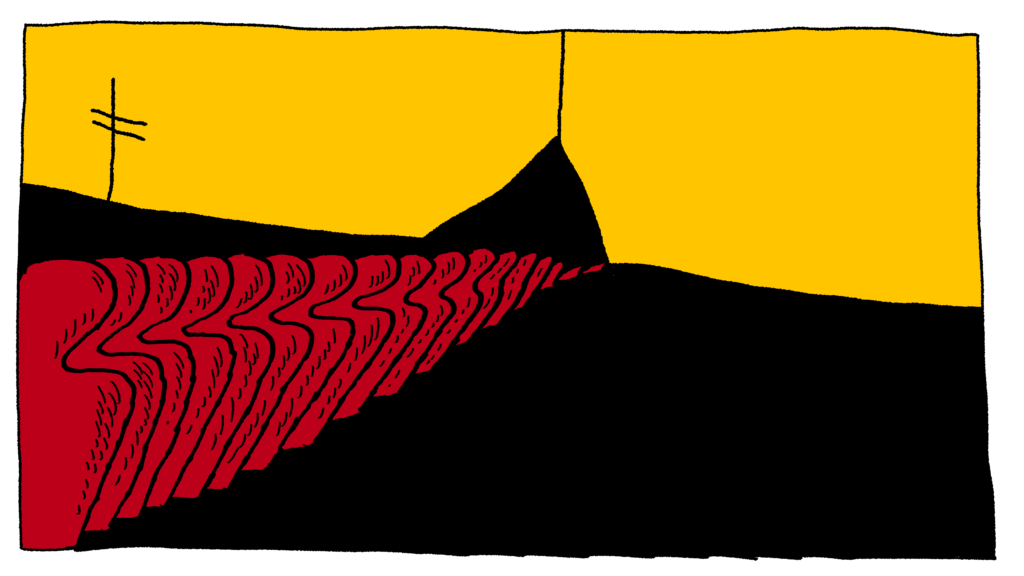
To stomach their duties, the doctors and researchers of Unit 731 called their victims “maruta,” the Japanese word for logs. At one point in the Unit’s history, multiple victims staged a riot that lasted for an hour—before workers killed them with gas.
Prior to establishing the Unit, its founder Shirō Ishii self-funded a trip to Canada, United States, and Europe. Today’s organized abandonment of sick and disabled people to ongoing pandemics, poverty, and policing inherits the eugenicist and imperialist legacies of Unit 731’s vision of science, medicine, and epidemiology. Our resistance—as dense, multiple, and multiplying as forests and old growth—must outsize these legacies.