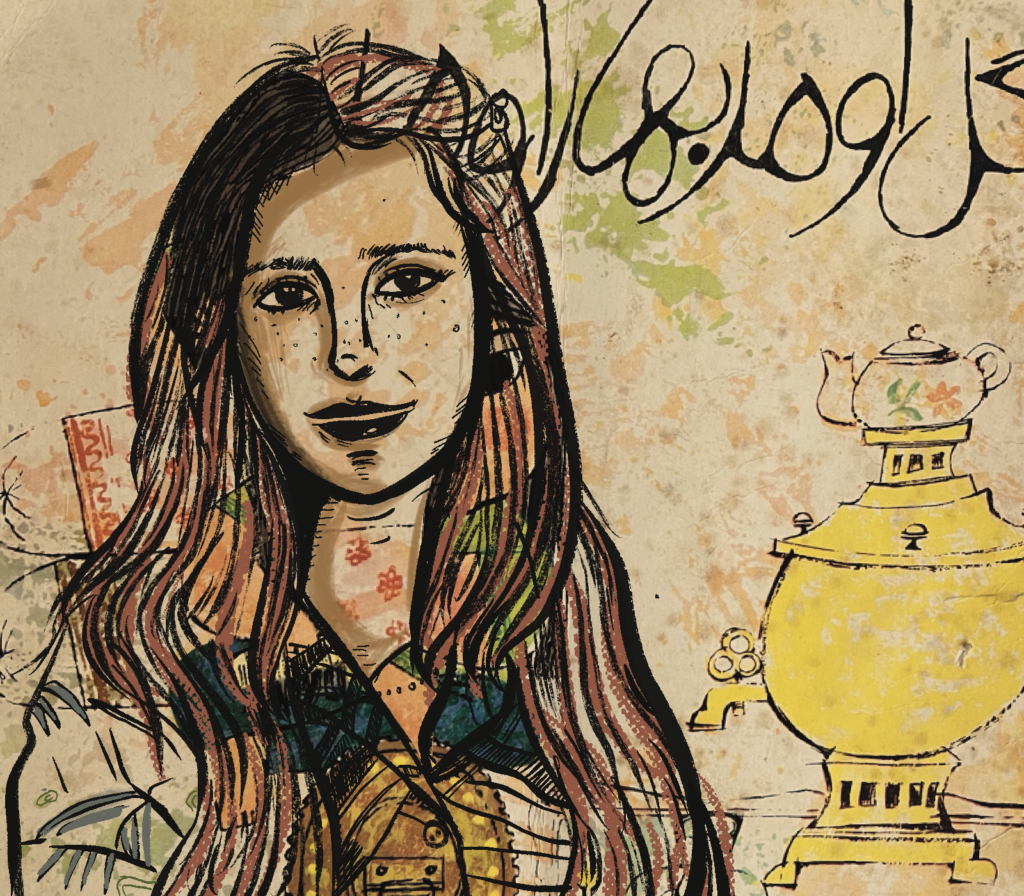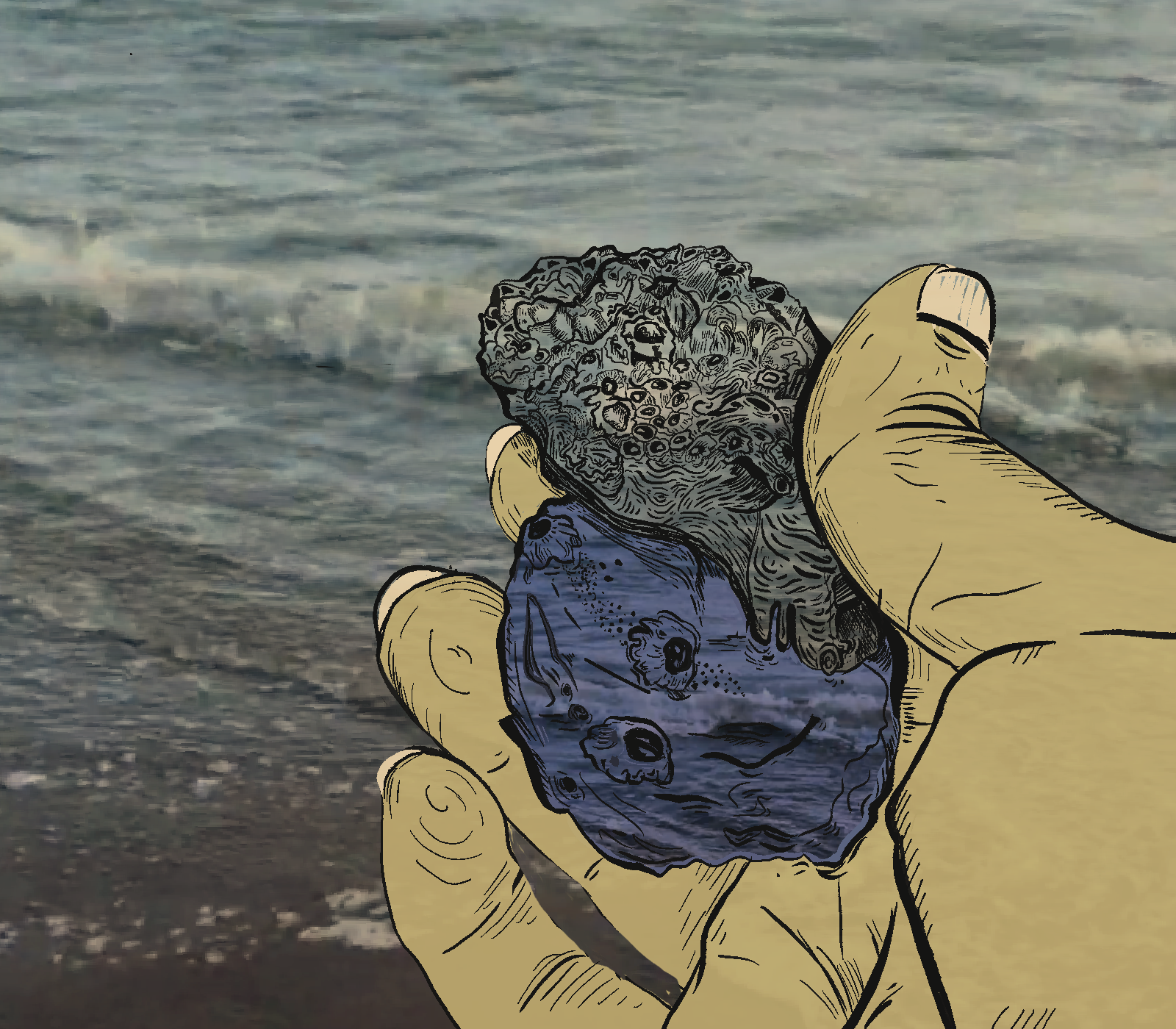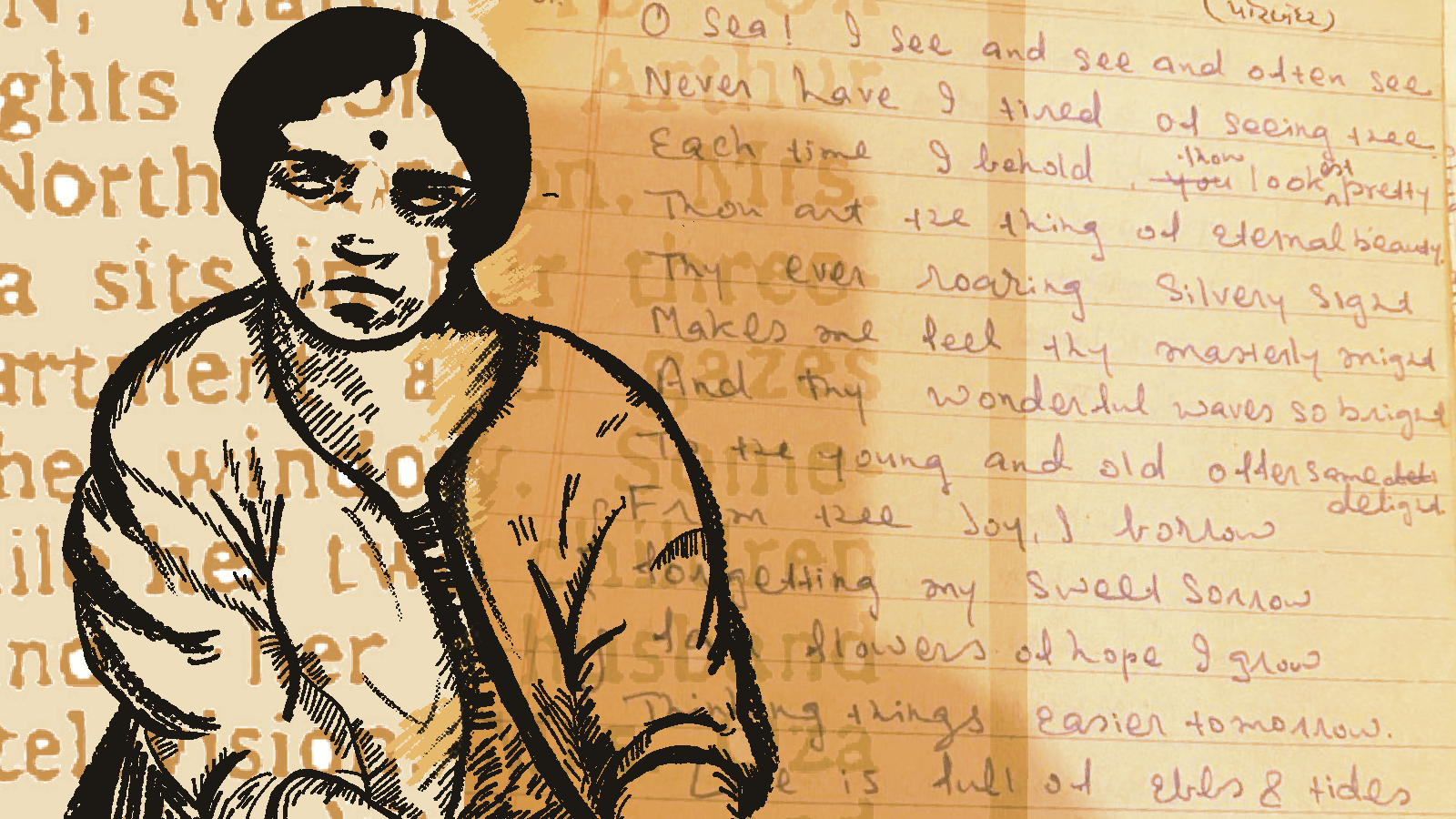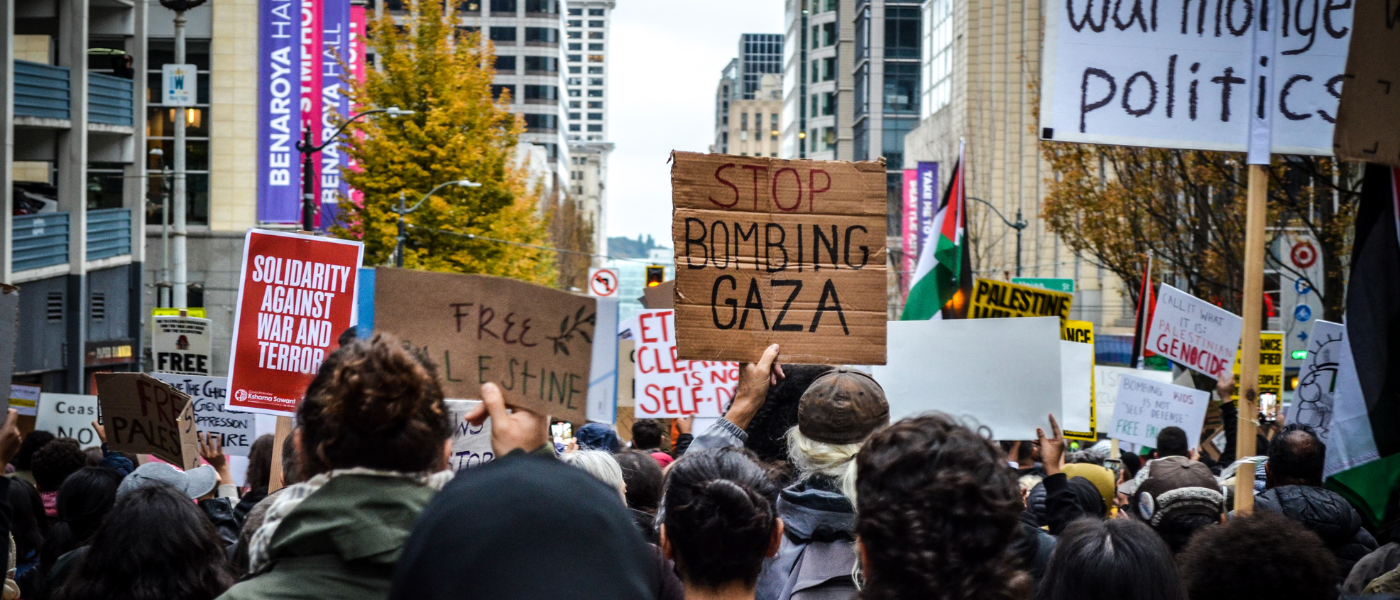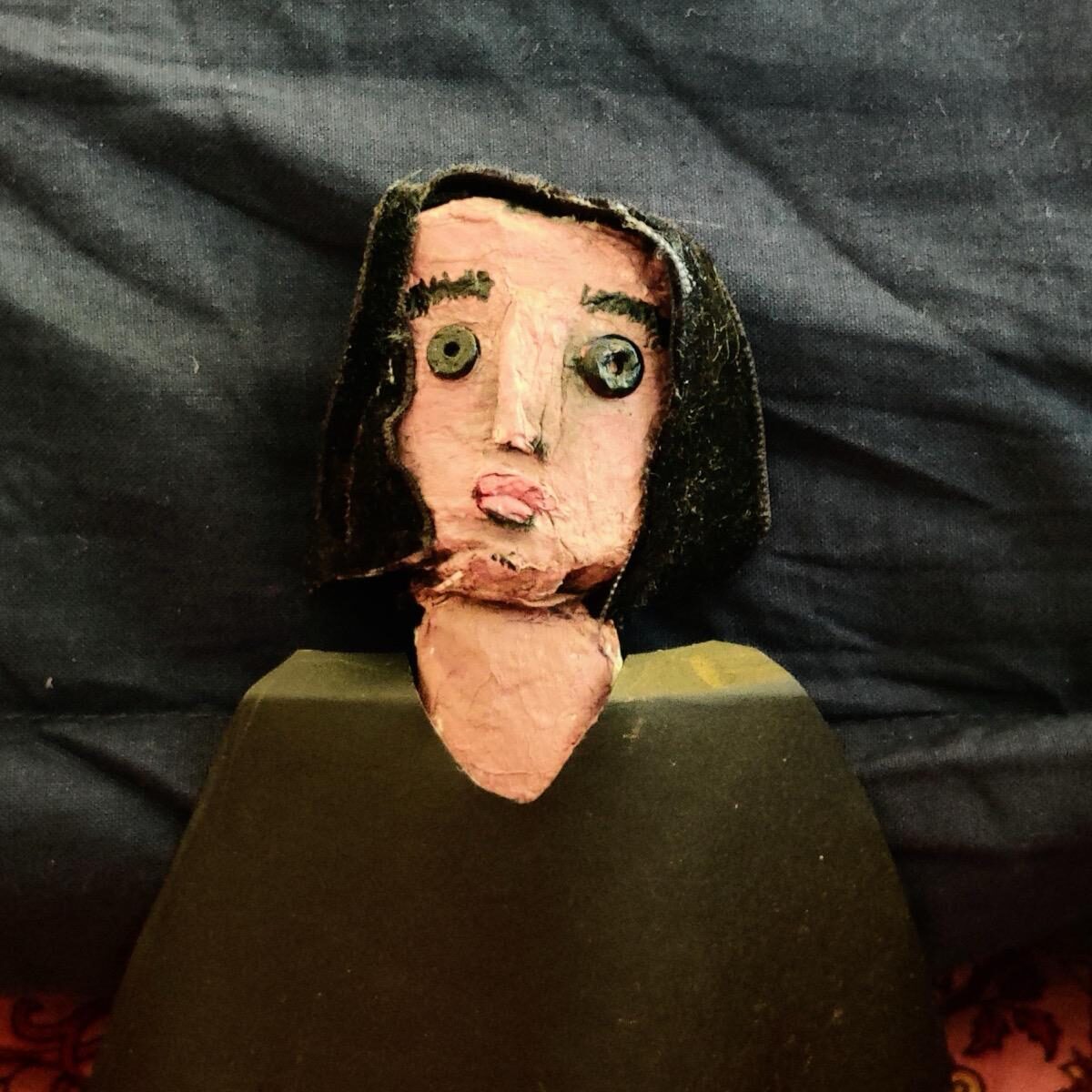
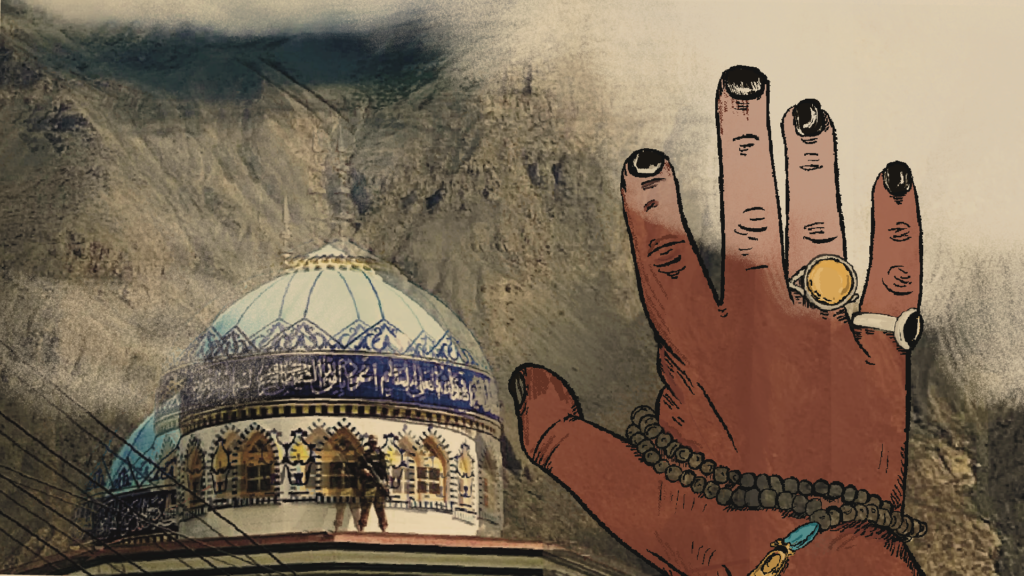
Udeshi Basu is the featured artist for the “On Liminality” Community Anthology. Below is their artist statement, which provides context for the featured artwork they created for the anthology, which you can find on the top of each published piece.
Recently, I’ve found myself asking,
“If I haven’t been home in three years, does home still exist?”
It’s a riddle of a question and it rises, unbidden, when America feels particularly American and my body feels particularly non-citizen. A snowstorm, a new legislature, a bouquet of flowers with a barcode stamped onto plastic wrap, a particular way a person does not touch me, even in friendship, even in partnership, even on the bus.
While representing the theme, “On Liminality”, I found myself confronted by the many shadowy faces of liminality explored through transness, immigration, sickness and more. The feelings these pieces revoked in me led me to believe that the only way to talk about, make art about, liminality was through fragment and collage.
Liminality as Heaviness and Haunting
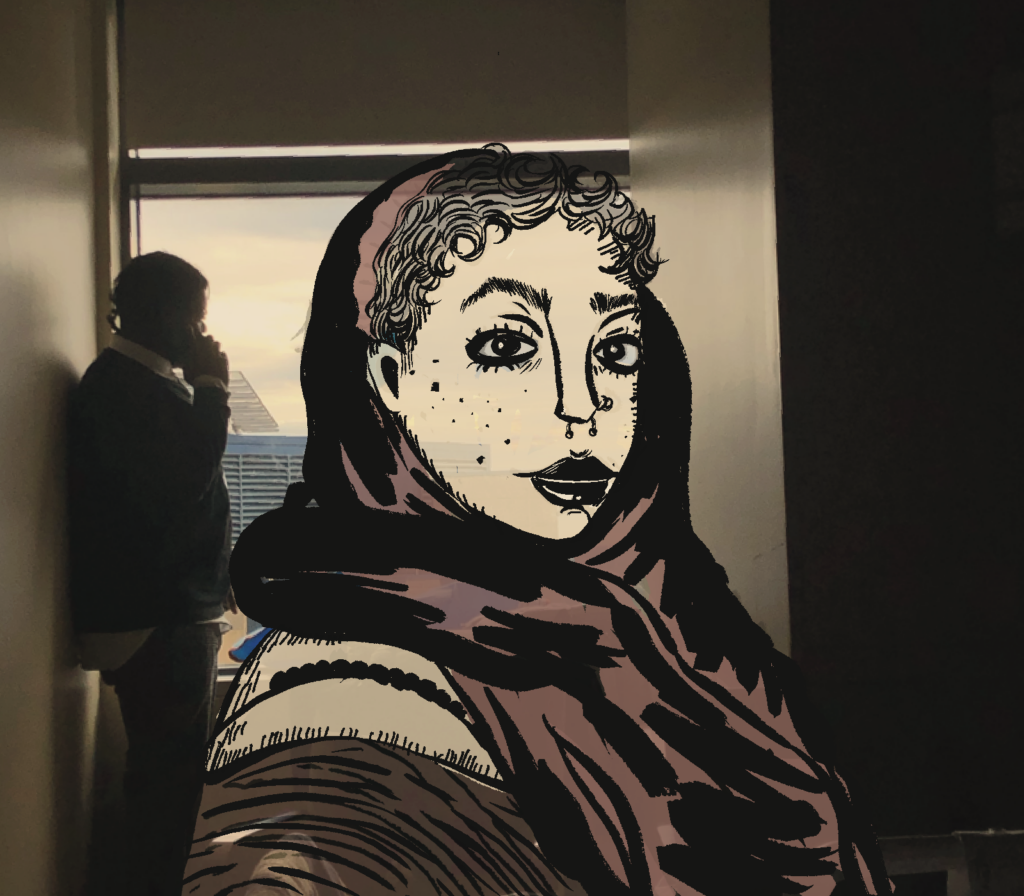
The heaviness that sits with me is the feeling that we may never know, never fully see, never touch something spliced from us by time, by silence, by a border, by language, by violence or circumstance, big and small. Like in most in-between spaces, I do not know if liminality can exist without a haunting, a spectre. The pieces I’ve worked on use archival material from the writers, juxtaposed with illustrative work, to capture this precise haunting. The spectre itself changes: the knowledge that an ancestor can only be known in fragments, the look in the eyes of a younger you.
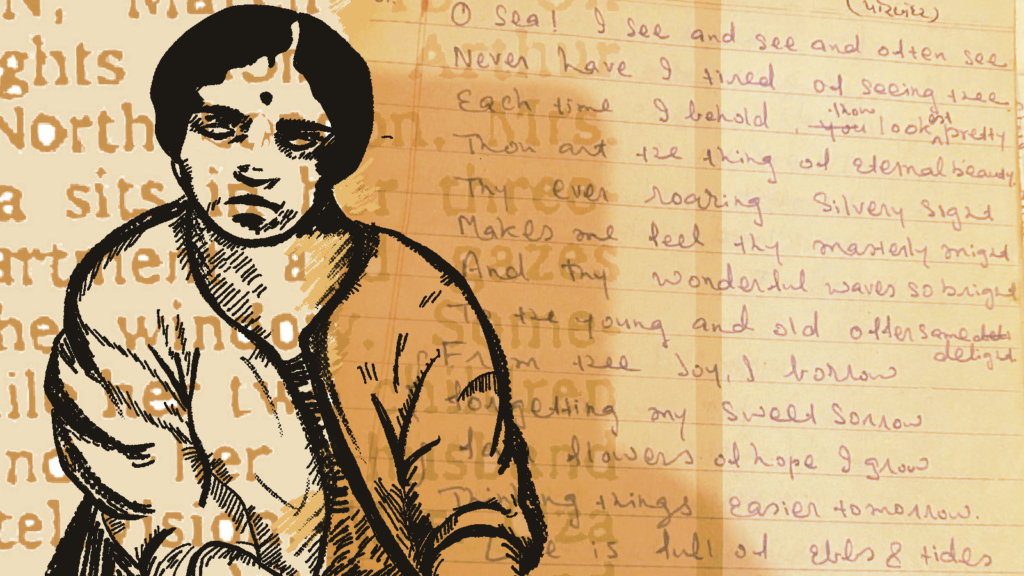
Liminality Denying Self-Containment
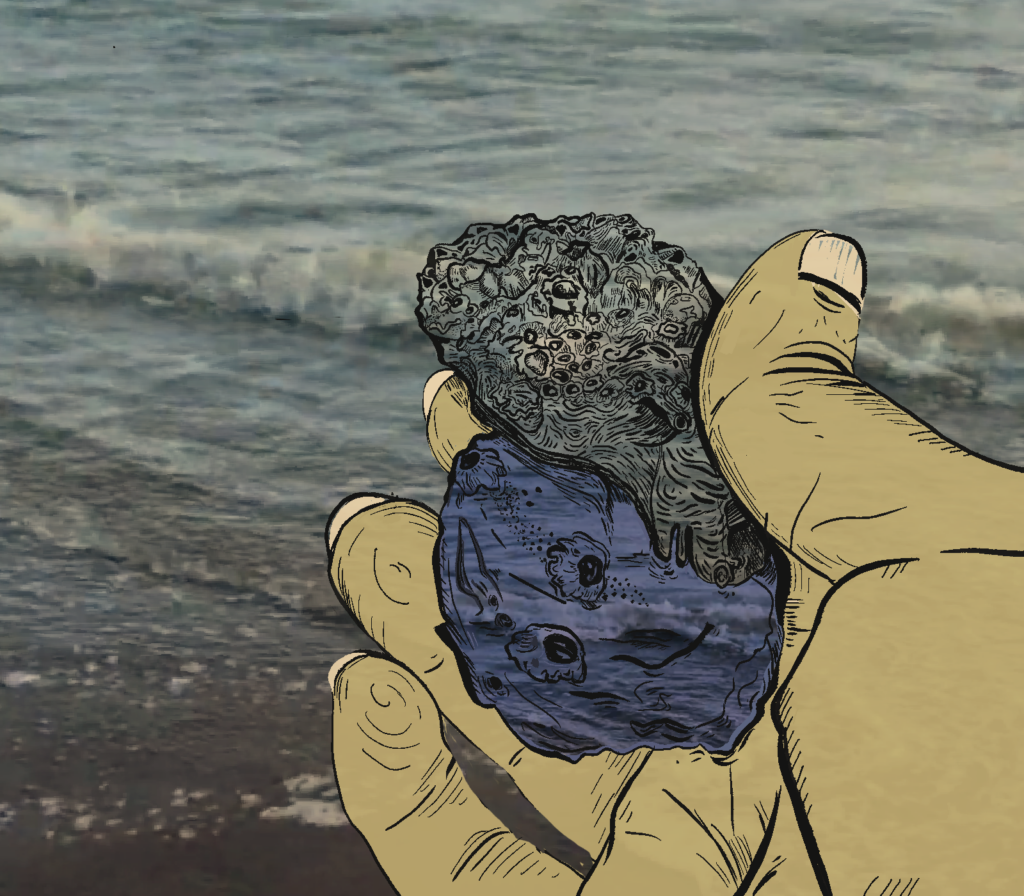
The form I use challenges the perceived wholeness of a photographic image, or the totality of its form. While photographs are often believed to be truthful, they serve as an interesting capturing of a moment. The illustrations bring forward traces of those who took these photos – the hands that read the writing, thumbed through old CDs, yearbooks, scanned newspaper articles. The lungs that inhaled, processed smoggy air, the body that moved to music. The image becomes liminal again, incomplete in itself and in constant dialogue with more than itself.
To be neither here, nor there, and to be both here and there, requires a lack of fixity. And a lack of fixity brings forward a necessary reliance on relationships: relationships to our elders, past versions of us, historical moments that shaped our people and everyday violences that frayed our loved ones. I wanted to explore this relationality through the convergence of photographs and illustrations, through the images that the writers thoughtfully chose to send me.
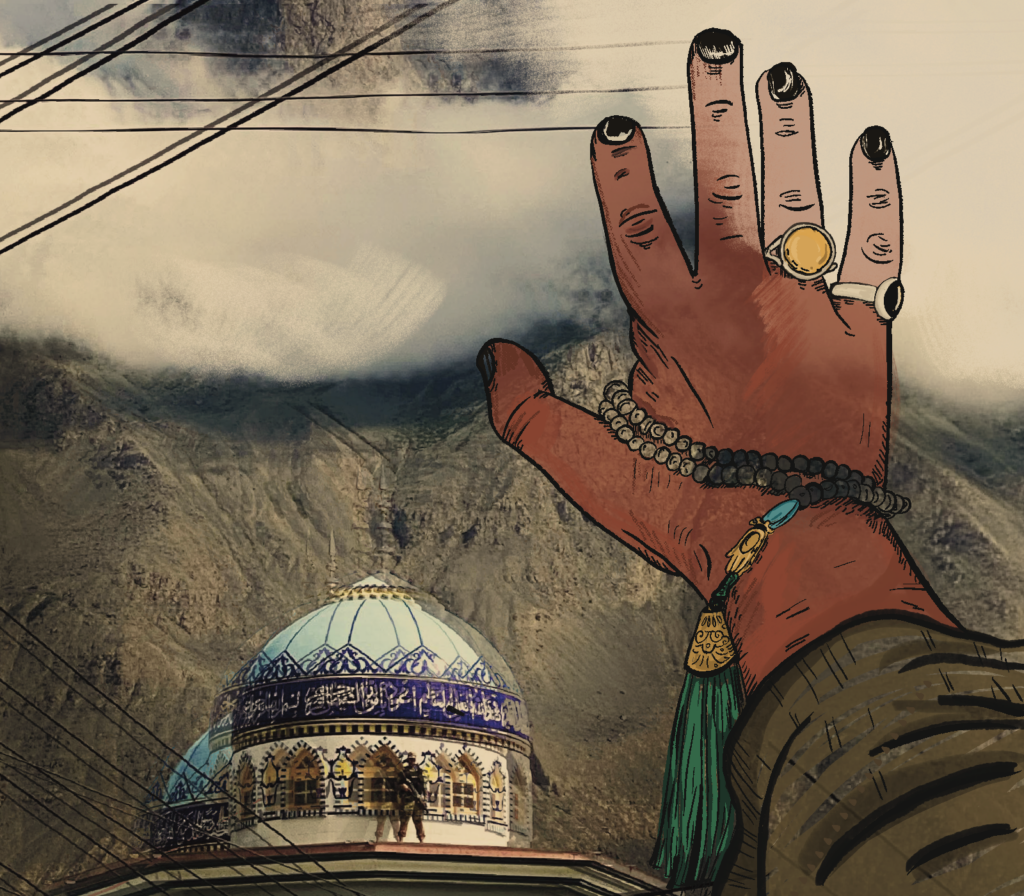
Liminality as Bridge Building
Gloria E. Anzaldúa says, of bridges, “they are thresholds to other realities… they are passageways, conduits and connectors that connote transitioning, crossing borders and changing perspectives.” A liminal world is filled with bridges, and consequently, filled with movement and multiplicity. Liminality resists a single truth, or a single reality: it demands constant movement and hence, a state of becoming, relearning, unlearning, inhabiting different paradigms. The works we read in this anthology capture this movement: a desire to hold things up to new light, to read them differently, to sit with bodies and narratives frayed or changed by the passage of time or the immigration of bodies. It is in the liminal spaces of gender, migration and language, I found liberation. Moving across these intersections taught me the wonderful art of bridge-building, the fascinating realm of exploration.
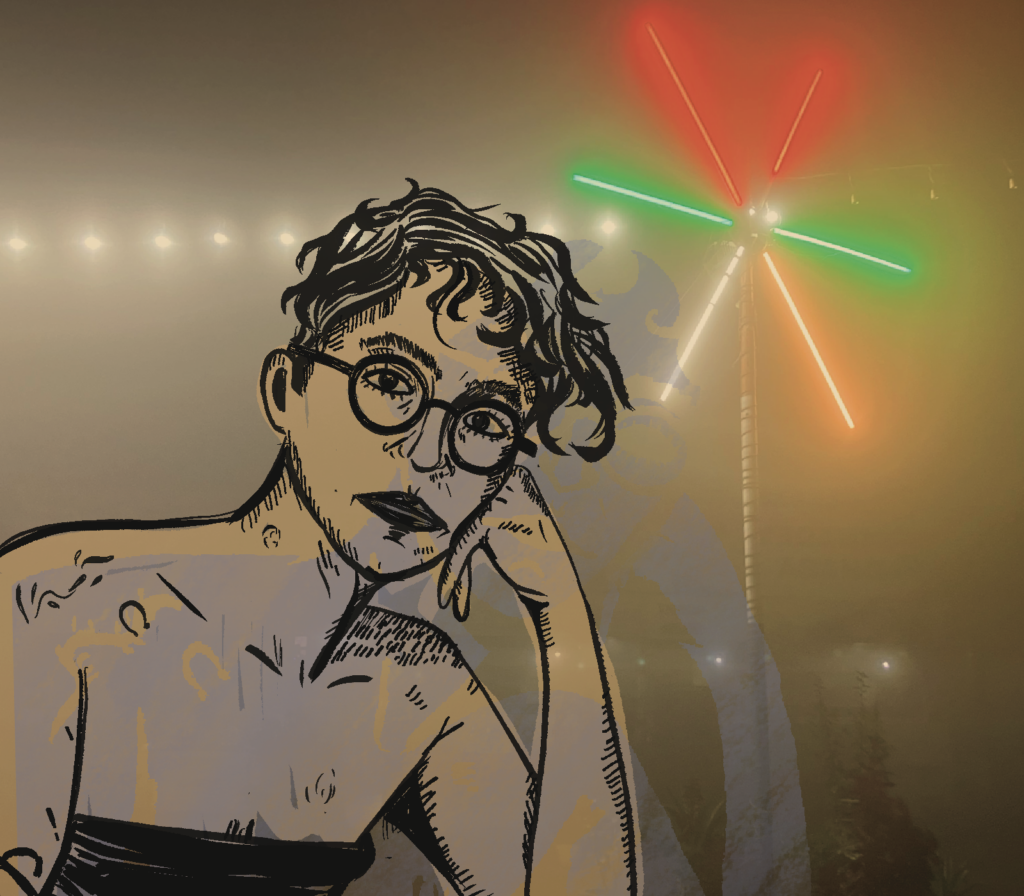
In conclusion, I see liminal spaces as ones that are both heavy and liberating, that allow us to challenge heterogenous cultures and the dangerous belief that there is only one truth, one time, one reality.